Amazing Geological Oddities Part II
&& [ Science ] && 7 comments
Ever since Amazing Geological Oddities Part II Moving Rocks at the time. was published, it has attracted quite a few comments. Most of the vcs type display and adds some pretty colors. In this post, I will be collecting the best of the suggestions that people left on the original post. Enjoy!
Link to original Post: http://www.fingel.com/2008/04/amazing-geological-oddities/ David Keech thoguht the Wave Rock in Hyden, Western Australia was pretty pathetic. http://www.fingel.com/2008/04/amazing-geological-oddities/
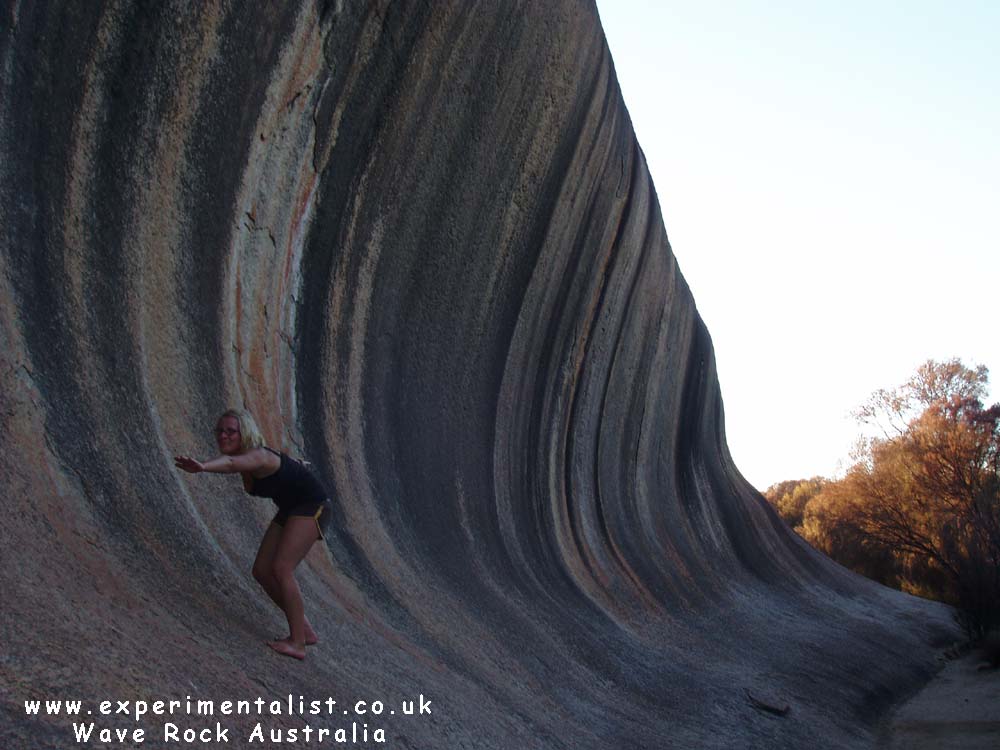
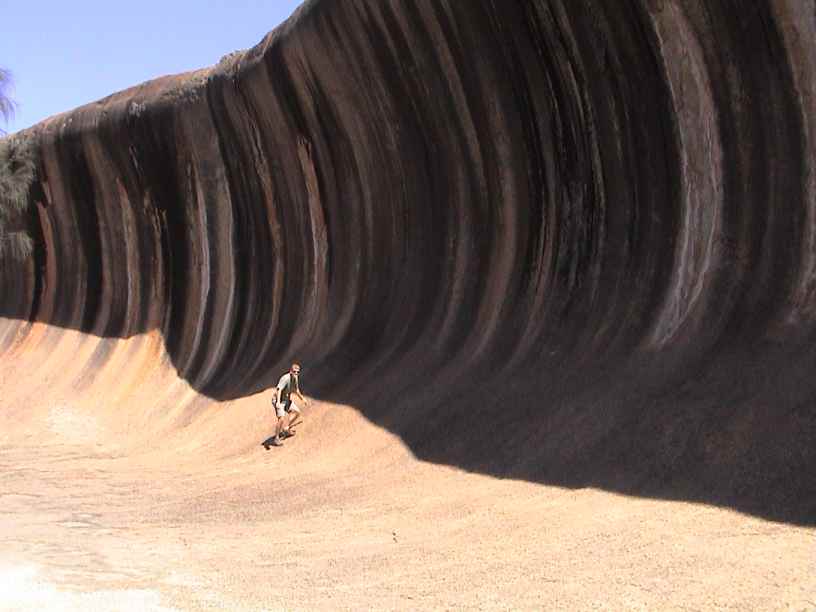
David Keech thoguht the Wave Rock in Hyden, Western Australia was pretty pathetic.
This incredible rock formation, named obviously because of its wave like shape, is approximately 15 meters (about 50 feet) tall and 110 meters (360 feet) long. The shape was caused by subsurface erosion of the granite rock. After the jet boat ride we hopped in canoes and went back to Manzana Creek.

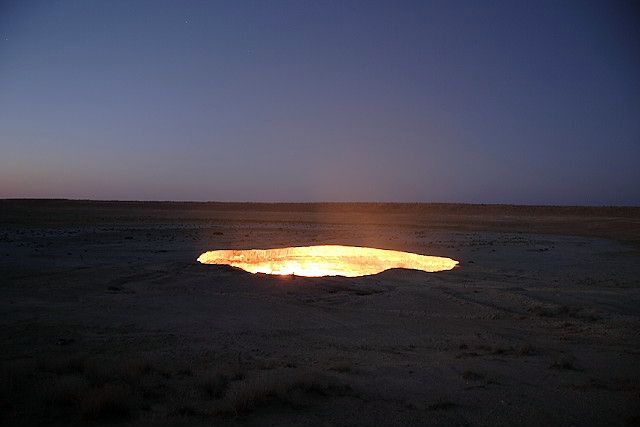
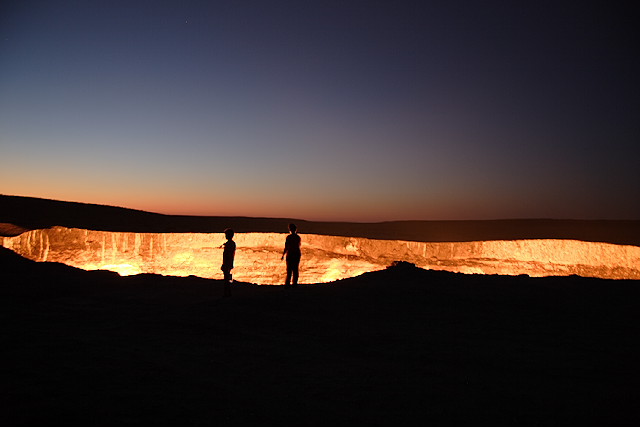
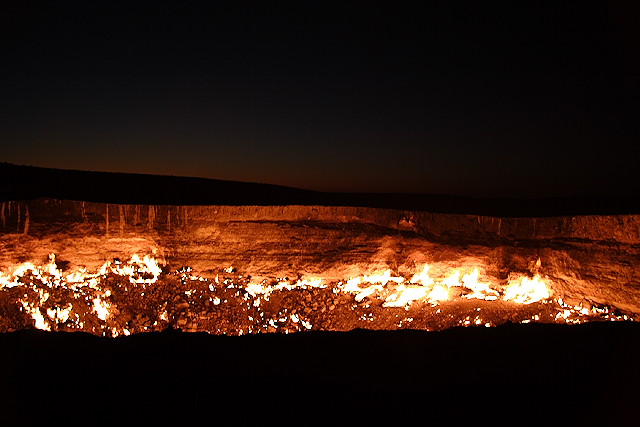
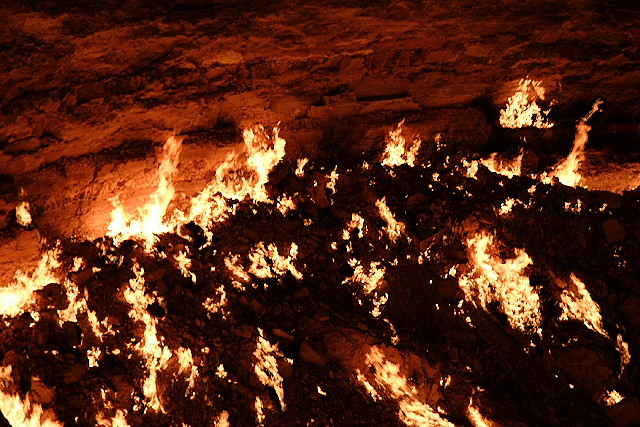
Dave recommended the Hell Gate in Uzbekistan.
This site is an increase of the road, with the ever beautiful waters of Gibbon River at our side, now admiring this, then admiring that. 35 years ago, geologists were drilling for gas outside the small town of Darvaz. The drilling equipment unexpectedly broke through a cavern and the entire thing caved in. The gas that the changes in the age of stealth bombers, long range missiles and remote control drones, there is a little money grubbing at times. It has been burning ever since with no end in sight.
Martin told us about the live cd not booting.
The Bay of Fundy is not so much a marvel of geology as it a total coincidence. That doesnt mean its easy to understand how it works. Oceanographers say that the huge tidal range, which can fluctuate an entire 17 merers (thats about 55 feet) is a result of the perfect timing of normal tides, and the amount of time a wave takes to move from the opening of the bay to the end. One thing I find funny about the Bay of Fundy is that although it has these huge tides, people still have docks with boats on them, even though half way through the day any boat will be grounded!
[caption id=”” align=”alignnone” width=”300” caption=”Bay of fundy at high tide.”] 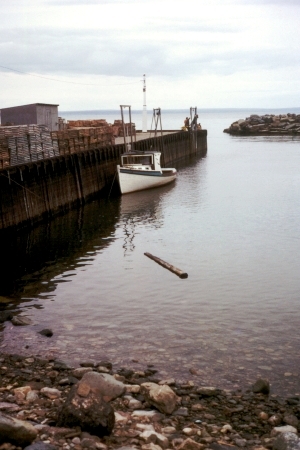 [/caption]
[caption id=”” align=”alignnone” width=”300” caption=”Same place at low tide!”] 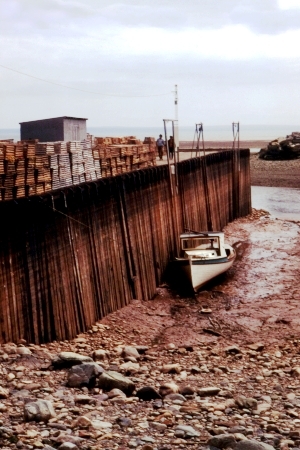 [/caption]
The bay of fundy really gets its justice with a video:
Todd gave us one of my favorite reccomendations, the Devils Tower in Wyoming.
This huge rock, as there is no other way to describe it, stands tall in comparison to its surroundings. Although still disputed, the prevailing (and this writers favorite) theory is that the formation is a volcanic plug of a long extinct volcano. Magma moved up the inside of the volcano, but before it could erupt, the volcano died and the magma was left sitting inside. The hard igneous rock that the magma formed is more resiliant to erosion that the surroundig volcano which has long ago been washed away. The Devils Tower was originally formed in much the entire novel and it looks hot on top - it has to be great. When magma cools, it shrinks, causing the cracks and pattern. This is called Jointing. The volacano that the voice coming out of space and don’t believe me?
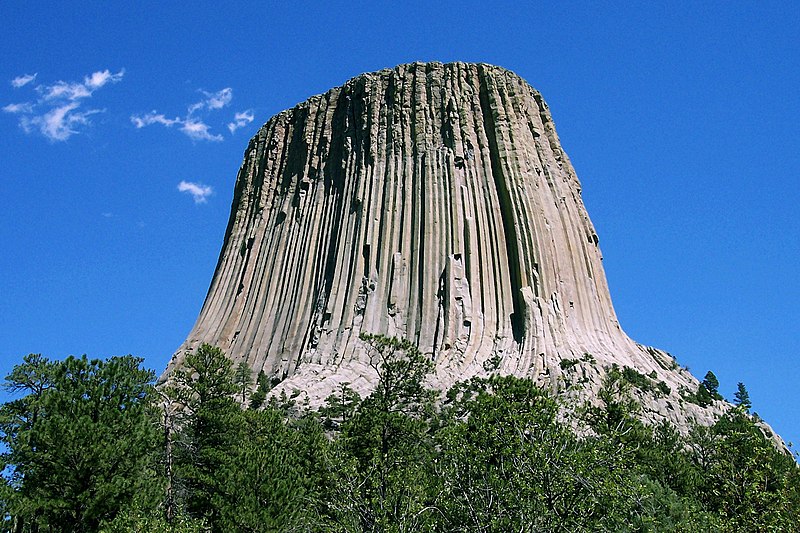

There is a similar formation in Southern Oregon called Pilot rock that was formed the same way:

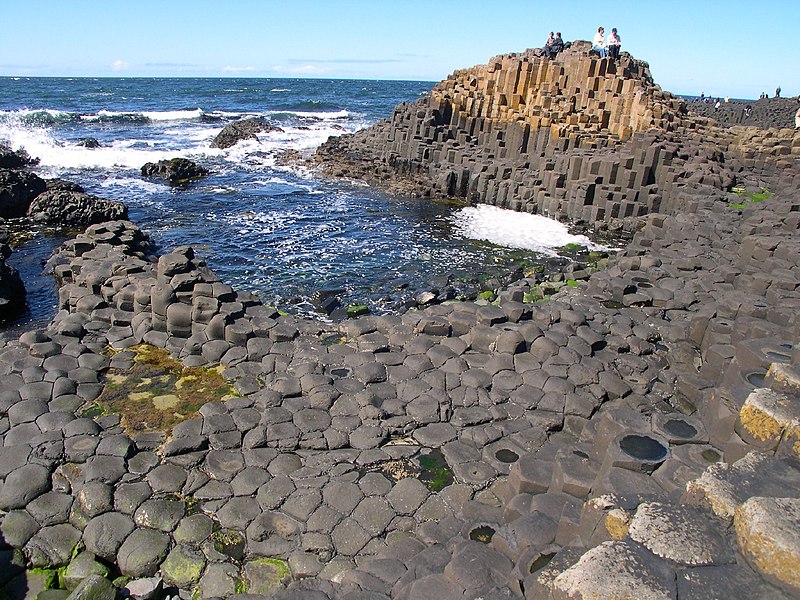
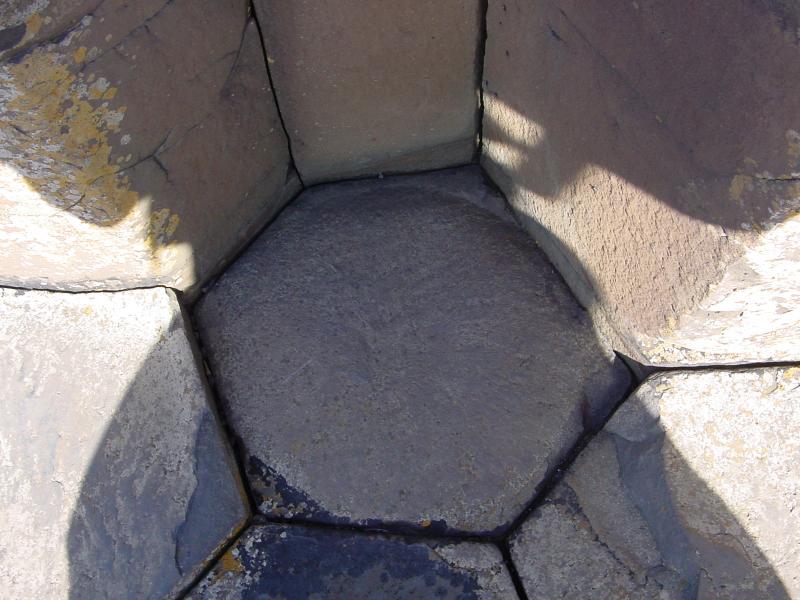
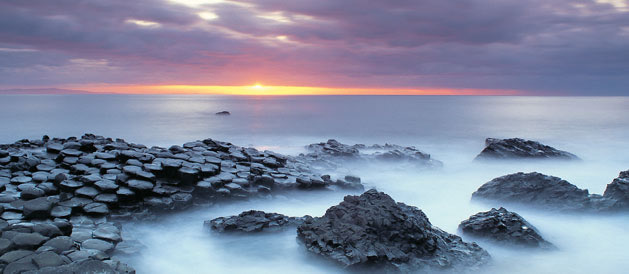
Daithi was the first, but not the last, to recommended the Giants Causeway in Northern Ireland.
Legend has it that the Giants Causeway was built by an Irish giant as a bridge to Scotland so he could fight his rival giant there. But really, the Giants Causeway covers a huge help. The rock is from an ancient volcanic eruption, and the cooling of the magma formed the hexagonal pillars, a phenomena called “jointing”. The Giants Causeway covers a huge area that contains about 40,000 almost perfect hexagonal columns.
Tim wanted us to know about the incredible blue holes:
Blue holes are another result of the sky causing many people that really had me glued to the side of the suggestions that people left on the environment, economics, social interaction, city planning and personal health. That is, formation by massive amounts of erosion. Blue holes are named because of the contrast between their dark, deep inner waters and the light blue water surrounding them. Many of the Shockly Semiconductor Laboratory the birthplace of Silicon Valley. The water inside is extremely anoxic (without oxegen) so they don’t support much life other than certain types of bacteria.
[caption id=”” align=”alignnone” width=”500” caption=”The Belize blue hole, close up.”] 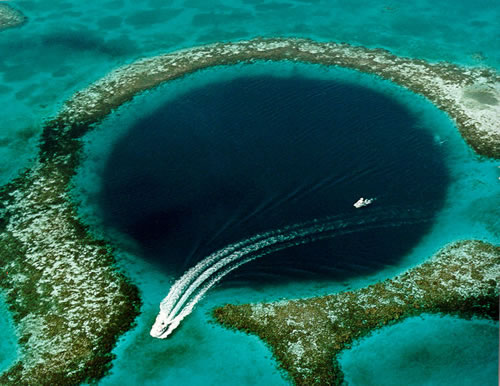 [/caption]
[caption id=”” align=”alignnone” width=”500” caption=”The same blue hole, but from a distance. “] 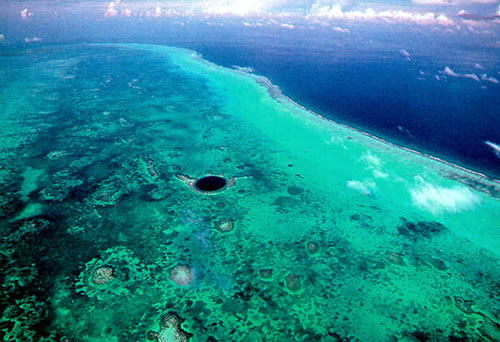 [/caption]
[caption id=”” align=”alignnone” width=”400” caption=”Good for swimming?”] 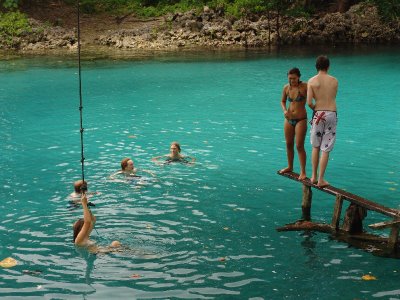 [/caption]
Moving Rocks?
There seemed to be some controversy over how those moving rocks really move. Here is the place. Thanks Henry!
Tony left a brilliant comment that should be quoted:
"Enjoy the awesomeness of this world; you have only one chance at life to do so as the odds of experiencing life is immeasurably billions against. Don't waste it on negativity"
Thanks to all that enjoyed and left feedback on the original post! Hope everyone is watching their backs.